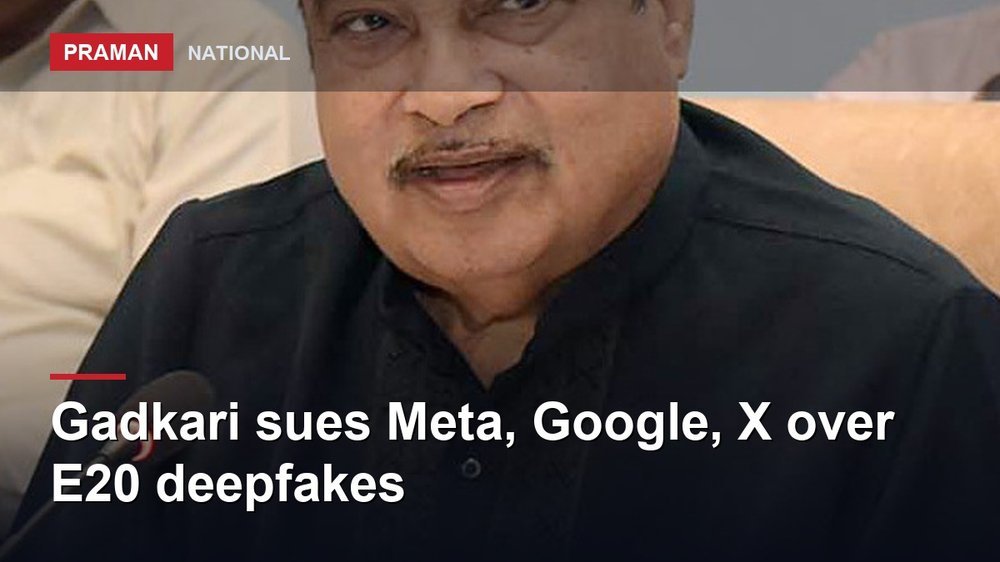
Union Road Transport and Highways Minister Nitin Gadkari has taken Meta, Google and X to the Bombay High Court, seeking the removal of allegedly defamatory posts and AI-generated deepfakes that link him and his family to the Centre’s ethanol-blending fuel programme and accuse them of corruption. The minister is seeking ₹11 crore in damages, along with orders directing the platforms to take down the material.
A single judge of the Bombay High Court granted Gadkari leave on Monday to file a civil suit against the social media companies and unidentified users, allowing him to press for the removal of the content and other reliefs. When the matter came up again on Tuesday, the court adjourned the hearing to August 5 after counsel for one of the platforms said it was yet to be formally served with the suit papers, and directed the minister’s legal team to serve all the respondents.
What the court did
The suit was first placed before Justice Abhay Ahuja, who permitted Gadkari to proceed against the named platforms and “John Doe” defendants — a legal device used when the actual authors of anonymous online content cannot immediately be identified. On Tuesday, the matter was listed before Justice Arif Doctor, who put off detailed hearing to next week so that all parties could be brought on record.
Beyond the platforms, the suit also names the Ministry of Electronics and Information Technology and the Department of Telecommunications, reflecting the minister’s request that the authorities direct intermediaries to pull down the flagged material. According to the pleadings, Gadkari has identified more than 20 web links carrying the objectionable content and wants them blocked or removed. No findings have been made against any of the parties at this stage; the court has so far only allowed the suit to be filed and heard.

Photo: Wikimedia Commons / Rangan Datta Wiki, CC BY-SA 4.0
What the suit alleges
At the heart of the case is a set of posts, videos and images that, the minister contends, were manufactured to portray him as personally responsible for the country’s E20 petrol policy and to suggest that he and his family gained financially from it. The suit describes face-swap videos, AI-generated images, fabricated quotes, memes and cartoons that allegedly use his name, face, voice and mannerisms without consent.
The pleadings specifically dispute claims circulating online that the minister’s son, Nikhil Gadkari, profits from the ethanol programme through an agro-industrial company engaged in ethanol manufacturing. Gadkari’s case is that these assertions are false, that they impute corruption, conflict of interest and abuse of public office, and that their spread through synthetic media has caused reputational harm warranting both damages and takedown.
A central plank of the minister’s argument is jurisdictional: he states that the ethanol-blending programme and the E20 rollout are administered by the Ministry of Petroleum and Natural Gas, not by his own Road Transport and Highways portfolio, and that he therefore has no role in framing or implementing the policy. On that basis, the suit argues, the content tying him to alleged wrongdoing is not only defamatory but factually baseless.
The E20 backdrop
The dispute plays out against months of public debate over E20 — petrol blended with up to 20 per cent ethanol — which the government has rolled out nationwide as part of its push to cut crude imports and support the farm-linked ethanol economy. Sections of vehicle owners have complained online about the fuel’s effect on mileage and on the engines of older vehicles, and the criticism has at times been directed personally at Gadkari, a prominent public advocate of biofuels.
The minister has previously pushed back against that criticism, describing some of the online campaign as a “paid” effort against him and defending the wider economic case for ethanol blending. The present suit escalates that response from public rebuttal to litigation, and places the question of AI-generated political content — and the responsibility of large platforms for hosting it — before a constitutional court.
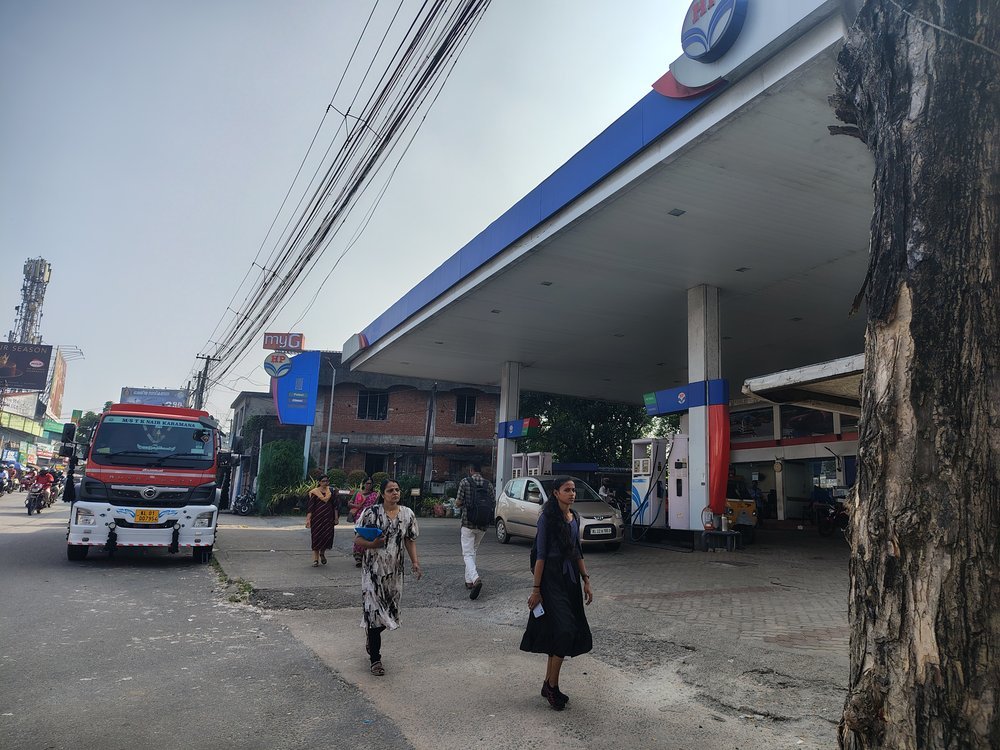
Photo: Wikimedia Commons / Manukrishnan80, CC BY-SA 4.0
What happens next
With the hearing set for August 5, the immediate task before the court is procedural: ensuring that Meta, Google, X and the government departments named in the suit are served and given an opportunity to respond. The platforms have not yet filed their replies, and their position on whether — and how quickly — they will act on the flagged links is expected to become clearer at the next hearing.
The case is likely to be watched closely for how Indian courts treat the removal of AI-generated and deepfake content targeting public figures, an issue that has grown sharper as synthetic media becomes cheaper to produce and harder to trace. For now, the proceedings remain at an early stage, with the substantive claims of defamation and the demand for ₹11 crore in damages yet to be tested.
Sources (editorial reference): Bombay High Court proceedings, July 27–28, 2026 (leave granted by Justice Abhay Ahuja; matter adjourned to August 5 before Justice Arif Doctor) and Nitin Gadkari’s civil suit as filed. Details of the pleadings reflect the plaintiff’s submissions; no allegations have been adjudicated, and the named platforms and departments are yet to file their responses.

Leave a Reply