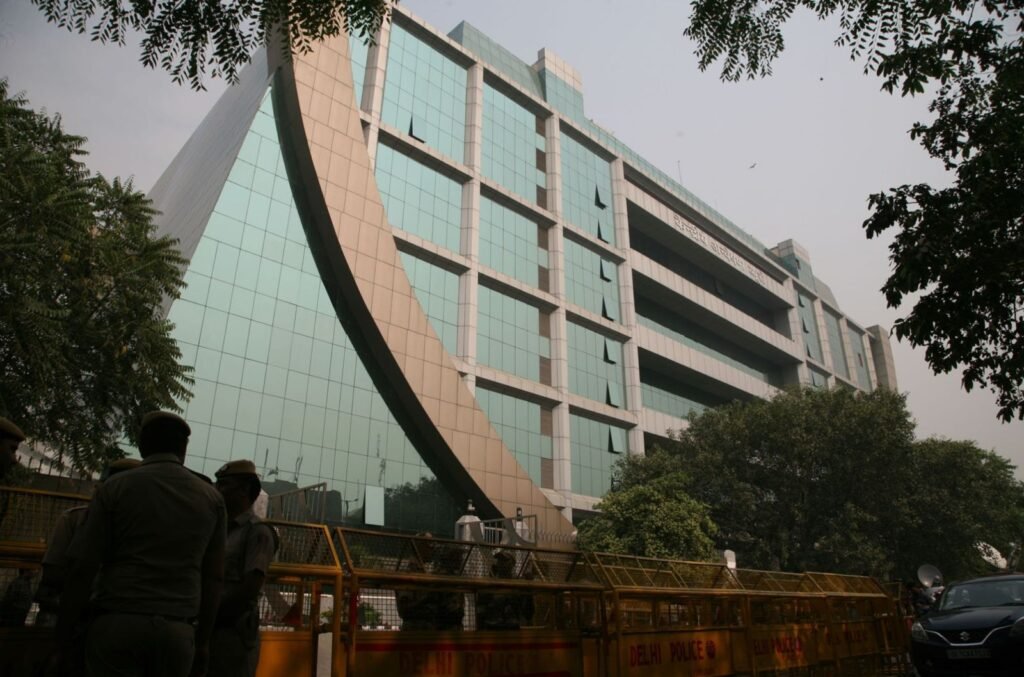
Hyderabad Police office investigating cybercrime complaints. Source: anil_shakya19 / Getty Images
Meta India Head Booked Over Morphed PM Modi Posts in Hyderabad
In a major legal update concerning big tech platforms and content regulation, the Hyderabad Cybercrime Police have filed official cases against Meta India head Arun Srinivas alongside several social media account holders. The action was taken following serious complaints regarding morphed, objectionable, and digitally manipulated content directed at Prime Minister Narendra Modi during recent demonstrations.
The controversial posts surfaced during student protests organized under the banner of the Cockroach Janta Party (CJP). The issue has once again brought intermediary liability and AI-generated misinformation to the forefront of national discourse.
Why Was Meta India Head Booked Over PM Modi Posts?
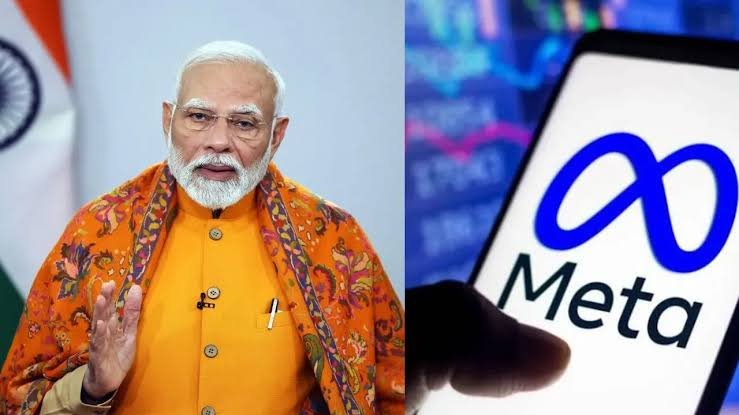
Meta previously also apologised for removing PM Modi’s video from Facebook. Image Source : Dynamite News
The primary cause for the FIR stems from complaints submitted by two individuals: S. Aravind Reddy, a local businessman, and T. Saikiran Goud, a Telangana BJP activist. Both complainants alleged that while browsing platforms like Instagram and Facebook, they noticed multiple posts containing altered media meant to defame top officials.
The complaints specifically highlighted several key legal and social concerns:
- Manipulated Media: The posts contained deepfake or digitally altered videos depicting the Prime Minister in a derogatory and obscene manner.
- Incitement Risks: According to the complainants, such offensive content has the clear potential to mislead citizens, spread false information, incite public hatred, and disturb harmony across different sections of society.
- Abusive Language: Beyond the visual media, the comment sections contained severe profanity, ridicule, and direct insult to the dignity of public offices.
Police officials noted that when platforms fail to curb the rapid viral spread of such defamatory content, platform executives can face legal scrutiny alongside individual account operators under relevant provisions of the law.
Escalating Tension Between Social Media Giants and Regulators
This development isn’t an isolated event. Government authorities and police departments across India have been strictly monitoring social media platforms for offensive content uploaded during recent political marches, including the July 20 ‘Sansad Chalo’ rallies and protests at Jantar Mantar.
In fact, the Delhi Police recently issued formal notices to several social media accounts and digital news portals, directing them to take down abusive posts targeting public leaders.
Meta’s New Safety Measures
Following recent friction—including a brief inadvertent block on a video posted by the Prime Minister’s official account—Meta has communicated stricter internal protocols to the Indian government:
- Enhanced Oversight: Posts related to high-profile public accounts will now face extra layers of vetting.
- Multi-Level Review: Decisions regarding major content actions will require strict approval from at least two senior Meta officials.
- Government Dialogues: Company executives are scheduled to meet with regulatory representatives to discuss broader content moderation policies and compliance rules.
What This Means for Intermediary Liability in India
The legal action against Meta India leadership reflects a growing push toward holding social media companies directly accountable for user-generated content hosted on their servers. While platforms historically relied on “safe harbor” protections as passive intermediaries, increasing instances of AI-driven deepfakes, hate speech, and manipulated viral videos have pushed law enforcement agencies to demand faster takedowns and proactive moderation.
As cybercrime units press ahead with their investigation in Hyderabad, social media platforms will likely face even tighter rules regarding real-time content filtering and algorithmic compliance.
Report by: Rakesh Sharma, Editor: Somesh Sharma
Related Posts

Nitin Gadkari moves Bombay High Court against Meta, Google and X over E20 ‘deepfake’ posts, seeks ₹11 crore
Government Moves Bill to Make Insulting ‘Vande Mataram’ a Criminal Offence as Monsoon Session Opens

Leave a Reply