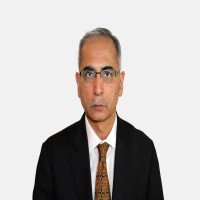
India’s ambassador to the United States, Vinay Mohan Kwatra, rejected a social media post by the US Commission on International Religious Freedom (USCIRF) describing jailed activist Sharjeel Imam as a victim of religious persecution. In a post on X on Saturday, Kwatra said the commission should “introspect on your own prejudices and stop lecturing others,” according to ANI.
What USCIRF Said About Sharjeel Imam
USCIRF, a US federal advisory body on religious freedom abroad, posted on social media describing Imam as a Muslim man detained in India for his religious freedom advocacy. The commission’s own victims database entry lists his reason for persecution as participating in protests against the Citizenship Amendment Act (CAA) in December 2019 and January 2020.
According to that record, Indian authorities have accused Imam of delivering speeches that allegedly incited communal violence during those protests. USCIRF treats his continued detention as evidence that India uses anti-terrorism law against religious minorities, a position it first set out at length in a September 24 press release naming Imam and fellow activist Umar Khalid.
How India Responded
Kwatra’s post said USCIRF has no standing to sit in judgment over the constitutional rights of Indian citizens, and he described the commission’s assessments as habitually partisan, ill-informed and jaundiced, per ANI. He added that these assessments cannot diminish India’s constitutional commitment to religious freedom and equal rights for all faiths.
The response follows a pattern. India’s Ministry of External Affairs has previously dismissed USCIRF reports as biased and politically motivated, and has pointed the commission toward scrutiny of religious minorities’ treatment within the United States instead.
The Case Against Sharjeel Imam
Imam has been in judicial custody since January 2020. He was arrested over an FIR registered under the Unlawful Activities (Prevention) Act (UAPA) and sedition-related provisions of the Indian Penal Code, tied to speeches he gave during the anti-CAA protests.
He also faces charges in a separate UAPA case over the February 2020 communal riots in northeast Delhi, which killed 53 people, most of them Muslim. Police have alleged the riots were part of a larger conspiracy among protest organisers, a claim Imam’s counsel disputes in ongoing proceedings.
The Supreme Court denied bail to Imam and Umar Khalid on January 5, 2026, recording that prosecution material disclosed a prima facie case against both under the UAPA, serious enough to attract the law’s statutory bar on bail. Five of their co-accused in the same case, including Gulfisha Fatima, Meeran Haider, Shifa Ur Rehman, Mohammad Saleem Khan and Shadab Ahmad, were granted bail by the same bench, which found Imam and Khalid stood on a different footing.
The court allowed both men to apply for bail afresh before the trial court once prosecution witnesses finish testifying, or after one year, whichever comes first. The underlying trial has not concluded, and there is no public record of either man having refiled a bail application since.
A Recurring US-India Flashpoint
Saturday’s exchange is the latest round in a dispute that has run for years. USCIRF’s 2026 annual report recommended that the US State Department designate India a “country of particular concern” over religious freedom, a label Washington has not applied. The commission is an independent, bipartisan US federal advisory body; its recommendations do not bind the State Department or the White House.
Imam and Khalid also featured in a separate September 24 USCIRF release, which was centred on Jagtar Singh Johal, a British-born Sikh activist granted bail by the Delhi High Court around the same time. That release named Imam and Khalid as fellow entries on USCIRF’s Frank R. Wolf Freedom of Religion or Belief Victims List, describing both as held in pretrial detention under UAPA for what it called peaceful protest. The same release cited unnamed United Nations special rapporteurs as saying the UAPA itself does not meet international legal standards, a position the Indian government has not accepted.
New Delhi has rejected every such USCIRF designation push to date, maintaining that the commission’s assessments of India are selective and do not reflect constitutional protections already in place for religious minorities.
Frequently Asked Questions
Who is Sharjeel Imam?
A former Jawaharlal Nehru University research scholar and activist arrested in January 2020 over speeches made during protests against the Citizenship Amendment Act. He remains in judicial custody, facing UAPA and sedition-related charges, with trial yet to begin.
What is USCIRF?
The US Commission on International Religious Freedom is an independent, bipartisan US federal body that monitors religious freedom conditions abroad and recommends policy to the US government. Its reports are advisory and not binding on US foreign policy.
What to Watch Next
Whether Imam or Khalid refile for bail at the trial court, as the Supreme Court’s January order permits, is unconfirmed. Whether USCIRF’s latest post draws a fuller statement from India’s Ministry of External Affairs, beyond Kwatra’s, is also unconfirmed as of this report.
Leave a Reply