Britain’s state-backed Sovereign AI Fund has invested in Fractile, a London AI chip startup, as part of a Series C round worth more than £500 million (about $720 million), the UK government announced on November 11. The round values Fractile at over £5 billion.
Who is backing Fractile and how much they are putting in
The round was led by Thrive Capital, Lightspeed Venture Partners, and Redpoint, with Founders Fund also participating, according to Fractile’s own LinkedIn announcement. The UK government’s Sovereign AI Fund, which typically invests between £1 million and £10 million in a single deal, joined as a strategic backer rather than a lead investor.
AI Minister Kanishka Narayan said the investment reflects a belief that “Britain needs to build more of the technology that powers it,” while Business Secretary Jonathan Reynolds called Fractile “a fantastic British success story.” British Business Bank chief investment officer Leandros Kalisperas added that the deal represents “British innovation at its best.”
What Fractile actually makes
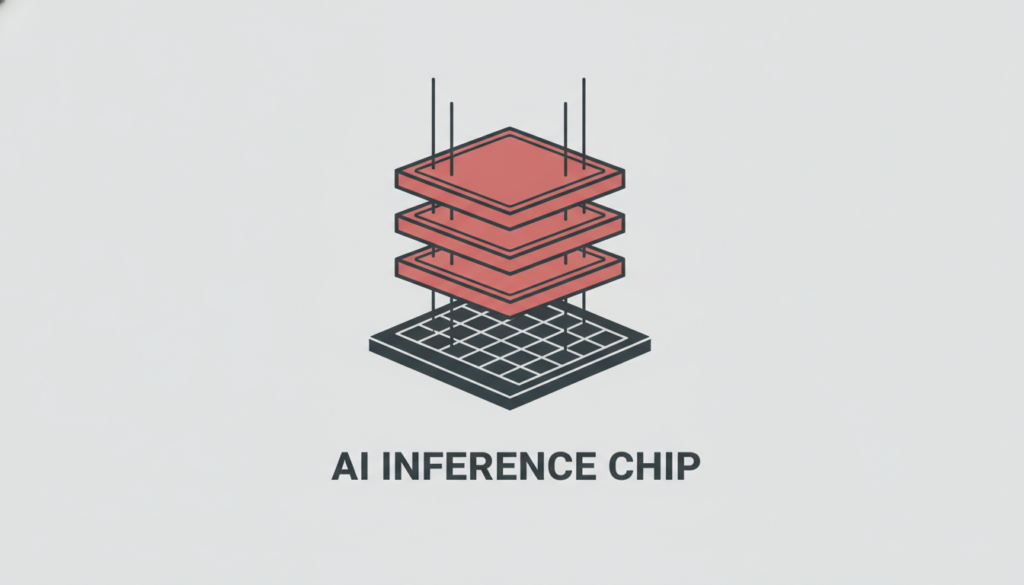
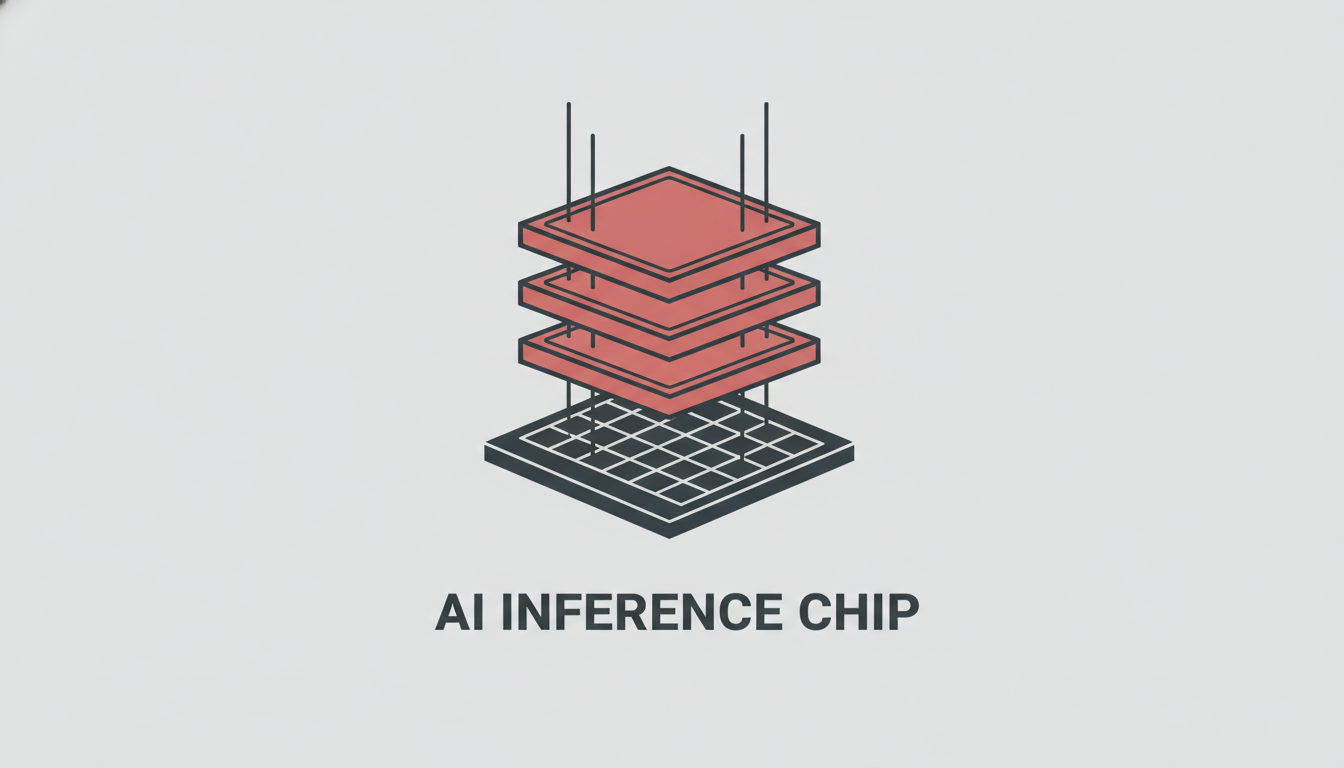
Fractile designs chips built specifically for AI inference, meaning running an already-trained model in production, as distinct from the chips Nvidia and others sell mainly for training new models. Its approach stacks memory (DRAM) directly on each chip, an architecture choice meant to get around the usual tradeoff between how much memory a chip has and how fast it can move data, a bottleneck that grows more pressing as AI agents chain together longer sequences of tasks using large models.
Founder and chief executive Walter Goodwin, who started the company in 2022, said on LinkedIn that “there is still a lot of work ahead” and that the new funding will let Fractile “ship its first chips and systems next year.” The company previously raised a $220 million Series B in May 2026.
How this fits the UK’s sovereign AI push
The Fractile deal is part of a wider package the UK government detailed alongside the announcement. At the country’s most recent Budget, the government confirmed a further £140 million for the Sovereign AI program, split between £60 million for direct fund investments and £80 million for a research and development procurement scheme. The British Business Bank’s overall investment capacity rose by £5 billion to £30.6 billion, and the government separately plans up to £2 billion in AI compute investment under its AI Compute Roadmap.
| Figure | Detail |
|---|---|
| Fractile Series C size | More than £500 million (~$720 million) |
| Post-money valuation | Over £5 billion (~$7 billion, per FT/Reuters) |
| Additional Sovereign AI budget (this Budget) | £140 million (£60M fund, £80M R&D procurement) |
| British Business Bank capacity increase | +£5 billion, to £30.6 billion |
| Jobs the wider package is expected to support | 24,600+ existing, 15,800+ new |
A crowded, fast-funding field of inference chip startups
Fractile is one of several well-funded startups chasing the same problem: making it cheaper to run, rather than train, large AI models. US rivals Etched and Axelera have both raised large rounds this year for competing approaches to inference hardware, and all of them are racing against the reality that Nvidia’s chips, built primarily for training, are not the most cost-efficient option once a model is deployed at scale. What sets Fractile apart, per its own account, is a full-stack approach: it builds not just the chip but a machine learning compiler meant to make large language models run faster on that chip specifically.
That full-stack bet is also why the valuation jump stands out. Fractile’s Series B, closed in May 2026, valued the company at a fraction of the roughly $7 billion figure now being reported around this Series C, a rise of several times within about six months. Neither Fractile nor the UK government has confirmed that specific dollar figure, which comes from Financial Times and Reuters reporting rather than an official disclosure.
Frequently asked questions
Does the UK government now own part of Fractile?
Yes, to a small degree. The Sovereign AI Fund’s typical check size of £1 million to £10 million would represent a minority stake in a round of this size, though neither Fractile nor the government has disclosed the exact amount invested.
Does Fractile compete directly with Nvidia?
Fractile targets AI inference rather than the training workloads where Nvidia’s GPUs are most dominant, so it is better described as building an alternative for one specific, fast-growing slice of AI chip demand rather than a head-on Nvidia competitor across the board.
When will Fractile’s chips actually ship?
Goodwin has said the new funding is meant to get Fractile’s first chips and systems out next year, meaning 2027, though the company has not given a specific quarter or named launch customers beyond confirming active development work.
Leave a Reply