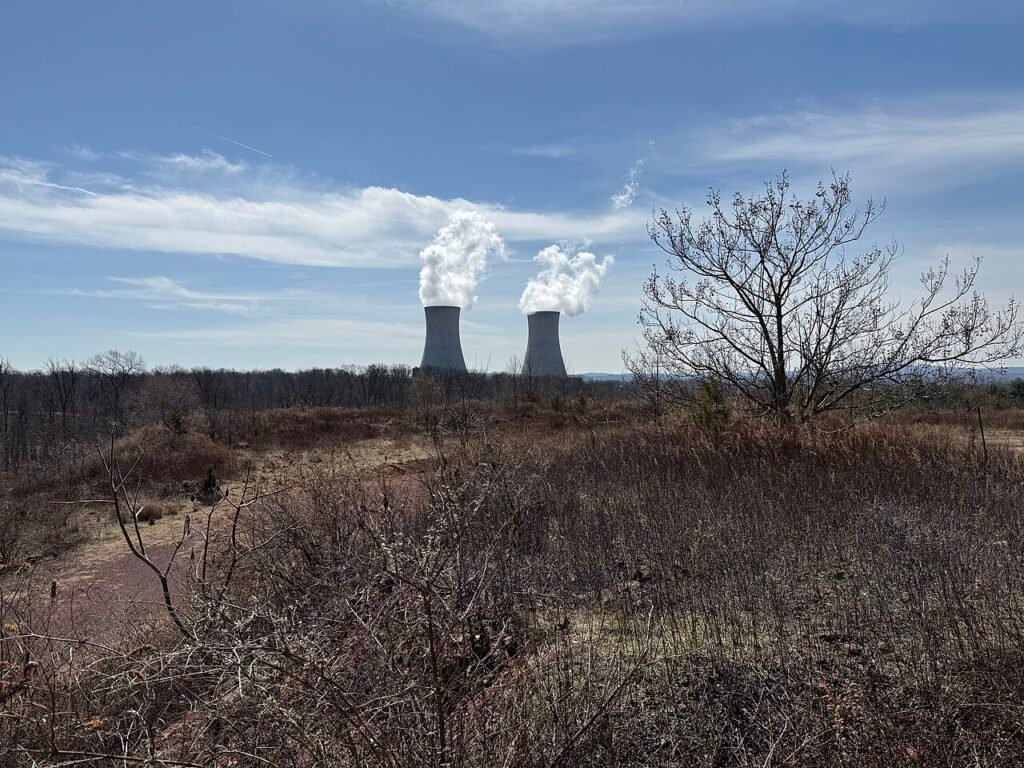
The U.S. Department of Energy has offered Constellation Energy a conditional loan commitment of up to $5 billion to expand output at eight existing nuclear plants by nearly 1.1 gigawatts. Much of that added power is already tied to agreements with Google, Amazon and Meta for their AI data centers.
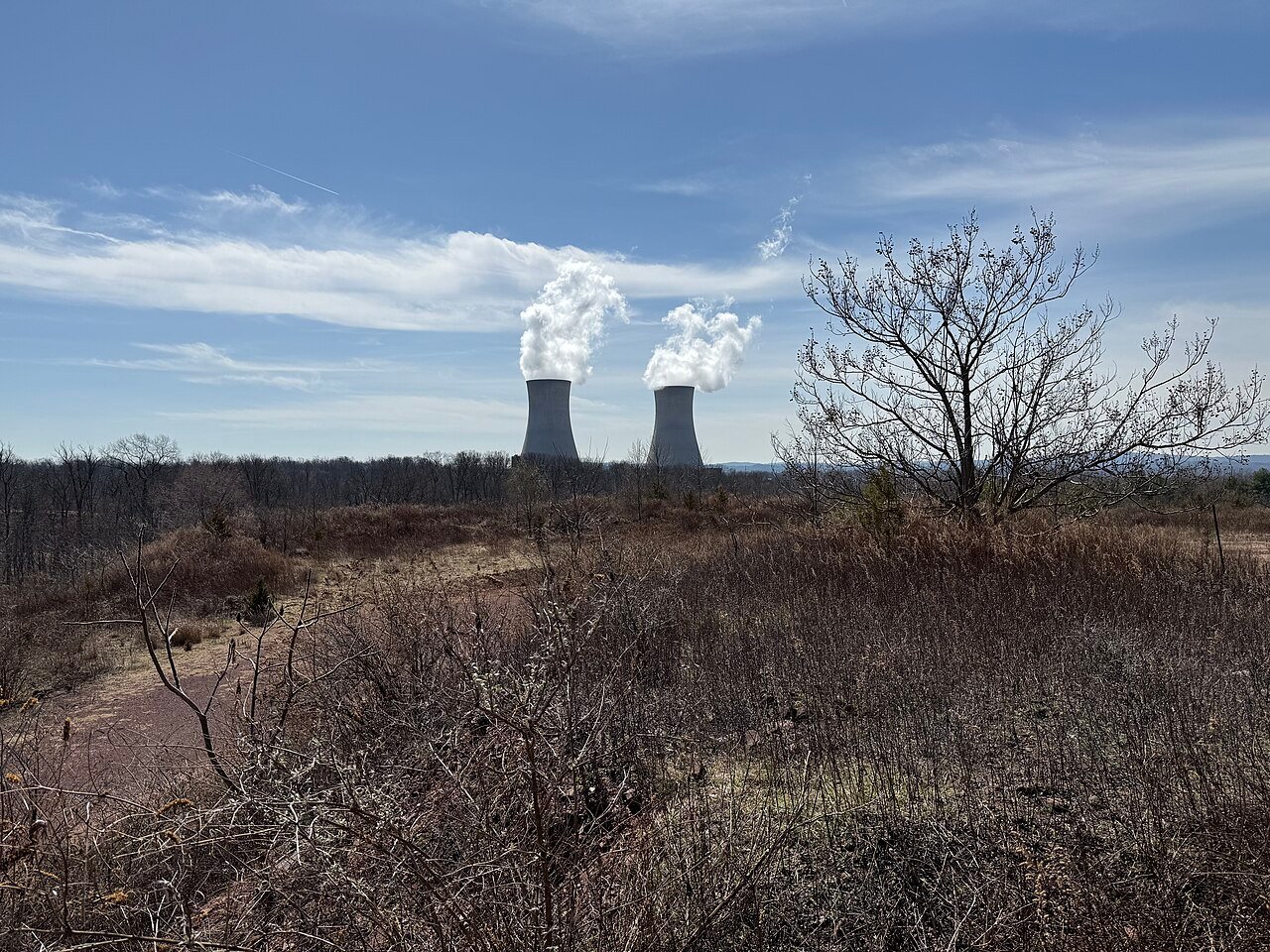
What the DOE actually offered
The Department of Energy’s Office of Energy Dominance Financing issued the conditional commitment on October 27, 2026. It covers potential uprates, meaning output increases at existing reactors rather than new plants, at eight Constellation facilities: Braidwood, Byron, Clinton, Dresden, LaSalle and Quad Cities in Illinois, Calvert Cliffs in Maryland, and Limerick in Pennsylvania.
U.S. Energy Secretary Chris Wright said the department is “unlocking the full potential of our nation’s nuclear fleet.” Office of Energy Dominance Financing Director Gregory A. Beard said the investments will “add more reliable baseload power to the grid, help lower electricity costs.”
The loan is conditional. Constellation must still satisfy technical, legal, environmental and financial requirements before the Department of Energy signs definitive financing documents or releases any money. Neither agency’s statement names an interest rate, repayment schedule or disbursement date.
How much power this adds, and who gets it
Constellation says the eight facilities under consideration could add close to 1.1 gigawatts of capacity combined, enough to power more than 930,000 homes, and support over 10,000 project-related jobs. The company says it has already committed more than $7 billion to add about 1,080 megawatts of nuclear capacity under customer agreements signed before this loan.
| Customer | Capacity committed | Site / grid |
|---|---|---|
| 890 MW | PJM grid, new nuclear capacity | |
| Amazon | 190 MW | Calvert Cliffs, Maryland (20-year power purchase agreement) |
| Meta | 30 MW | Clinton, Illinois |
Google and Amazon signed 20-year power purchase agreements that triggered Constellation’s own $7 billion investment. Meta’s smaller Clinton expansion was announced separately last year. Constellation chairman, president and chief executive Joe Dominguez said the conditional loan commitment “can help us move faster and go further.”
Why the US is financing nuclear uprates now
The commitment supports an executive order called “Reinvigorating the Nuclear Industrial Base,” which set a target of 5 gigawatts of uprates from the country’s existing reactor fleet. The Department of Energy launched a program called UPRISE, the Utility Power Reactor Incremental Scaling Effort, in March 2026 to hit that target. The department says it has already identified 95 percent of the 5-gigawatt goal.
Uprates add capacity at plants that already exist, without building new reactors or transmission lines, which both agencies describe as one of the fastest and cheapest ways to add electricity to the grid. The eight Constellation plants in this commitment feed the PJM and MISO grid regions, which cover much of the US Midwest and Mid-Atlantic, including the data center corridors where Google, Amazon and Meta are expanding AI infrastructure.
The Office of Energy Dominance Financing’s commitment also includes an option to finance future uprates at other Constellation facilities beyond the eight named here, should the current round clear its conditions.
The company behind the plants
Constellation Energy, headquartered in Baltimore and listed on the Nasdaq as CEG, operates about 55 gigawatts of generating capacity across nuclear, natural gas, oil, geothermal, hydro, wind and solar plants. The company says this fleet could power roughly 27 million homes and serves about 2.5 million retail customer accounts.
Both the Department of Energy and Constellation are careful to call this a conditional commitment, not a final decision to proceed with every uprate under consideration. Constellation’s statement says the loan could lower its financing costs and let it add capacity at a greater scale than it otherwise would, but due diligence and the negotiation of definitive financing documents still have to be completed first.
Frequently asked questions
Is the $5 billion loan final?
No. It is a conditional commitment. Constellation must still meet technical, legal, environmental and financial conditions before the Department of Energy finalizes financing or releases funds.
Does this loan build new nuclear reactors?
No. It finances uprates, which increase output at Constellation’s eight existing plants, not new reactor construction.
Why are Google, Amazon and Meta involved?
All three have separate, pre-existing power purchase agreements with Constellation to supply nuclear electricity for their data centers, including ones running AI workloads. Those commitments are part of why Constellation is expanding output at these plants.
Constellation says it will work with the Department of Energy, its customers, regulators and local stakeholders on each individual uprate project if the commitment moves forward. No completion date has been set.
Leave a Reply