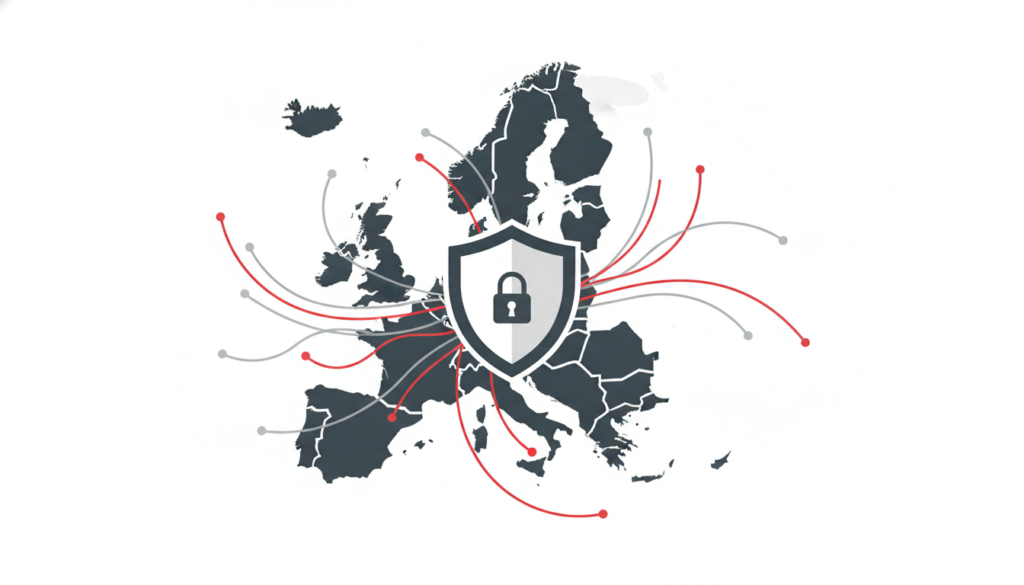
Germany and Austria called on Wednesday for a European ownership structure over TikTok’s operations in Europe, citing data protection and platform-design risks tied to the app’s Chinese parent company ByteDance. The joint statement, from German media minister Wolfram Weimer and Austrian digital state secretary Alexander Pröll, invites other EU countries to join the push.
What the two countries are proposing
The statement, published on Germany’s federal government website, calls for creating a European ownership structure for TikTok’s activities in Europe and placing the app’s essential technical infrastructure under European responsibility. Neither minister specified a mechanism, a list of potential investors, or a timeline for the change.
Weimer and Pröll said TikTok “concentrates data, platform, and third-country risks to a particular degree,” arguing the app’s influence in Germany and Austria has grown too large to leave unaddressed. The release says roughly one third of the population in each of the two countries uses TikTok.
Why the ministers are raising this now
The statement points to two ongoing concerns: allegations that TikTok has unlawfully transferred European user data to China, and separate European Commission proceedings examining suspected breaches of the EU’s Digital Services Act tied to elections, youth protection and platform design. The Commission has issued three preliminary findings against TikTok so far in 2026, on addictive design in February, minors’ privacy in July, and the recommendation algorithm in November. Praman News has previously reported on the most recent of those, where the Commission found that TikTok’s recommendation algorithm may breach the DSA by pulling users into harmful content loops; ByteDance faces a fine of up to 6 percent of global revenue if that finding is confirmed.
The ministers also pointed to a US arrangement as a model for how a European version could work. A joint venture took over TikTok’s American business in January 2026, with ByteDance retaining a minority stake of about 19.9 percent in the new entity.
Not the first attempt to raise this
Weimer first floated a European takeover of TikTok’s business in February 2026 and repeated the call in May. At the time, the European Commission did not back the idea. A Commission spokesperson said Brussels’ enforcement focus is on whether a platform complies with EU rules, not on a company’s ownership or country of origin, The Star reported at the time.
No public response from TikTok or ByteDance to Wednesday’s statement had been reported as of publication. Separately, Google, Meta and TikTok are currently suing to block a different measure, California’s AB 1709 youth social media law, over free speech and platform liability concerns, an unrelated dispute in a different jurisdiction.
What happens next
Weimer said he plans to campaign for other EU countries to join the initiative at the EU’s Culture and Media Council meeting in Brussels on November 19, the day after the joint statement was published. The German government’s release does not name which other countries, if any, have expressed interest so far.
For now, this remains a proposal from two member states, not an EU-wide decision. ByteDance faces no formal obligation to sell or restructure its European TikTok business as a result of this statement.
Frequently asked questions
Does this mean TikTok will be banned in Germany or Austria? No. The proposal calls for a change in ownership and infrastructure control, not a ban on the app.
Has the EU agreed to this? No. This is a joint statement from Germany and Austria only. The European Commission has previously said its enforcement focus is on rule compliance rather than a company’s ownership or origin.
Is this related to the EU’s Digital Services Act case against TikTok? It is connected but separate. The ministers cited the DSA proceedings as part of their rationale, but the ownership proposal is a distinct policy push, not a legal requirement stemming from that case.



Leave a Reply