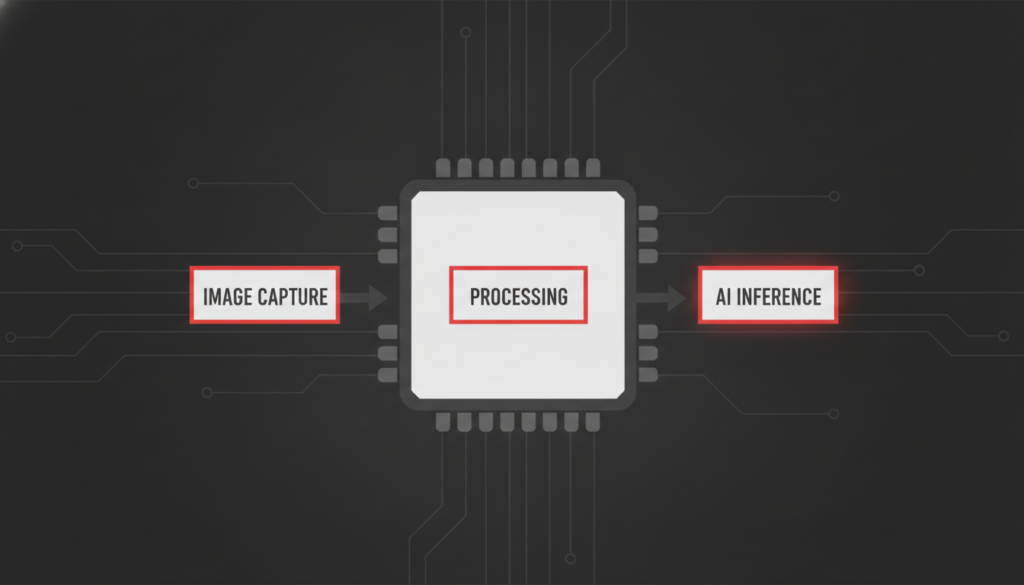
New Delhi based semiconductor startup Bharat Semi has raised a $24 million all equity seed round to develop programmable AI enabled image sensors that combine image capture, processing and AI on a single chip, the company told TechCrunch.
What Bharat Semi’s chips do
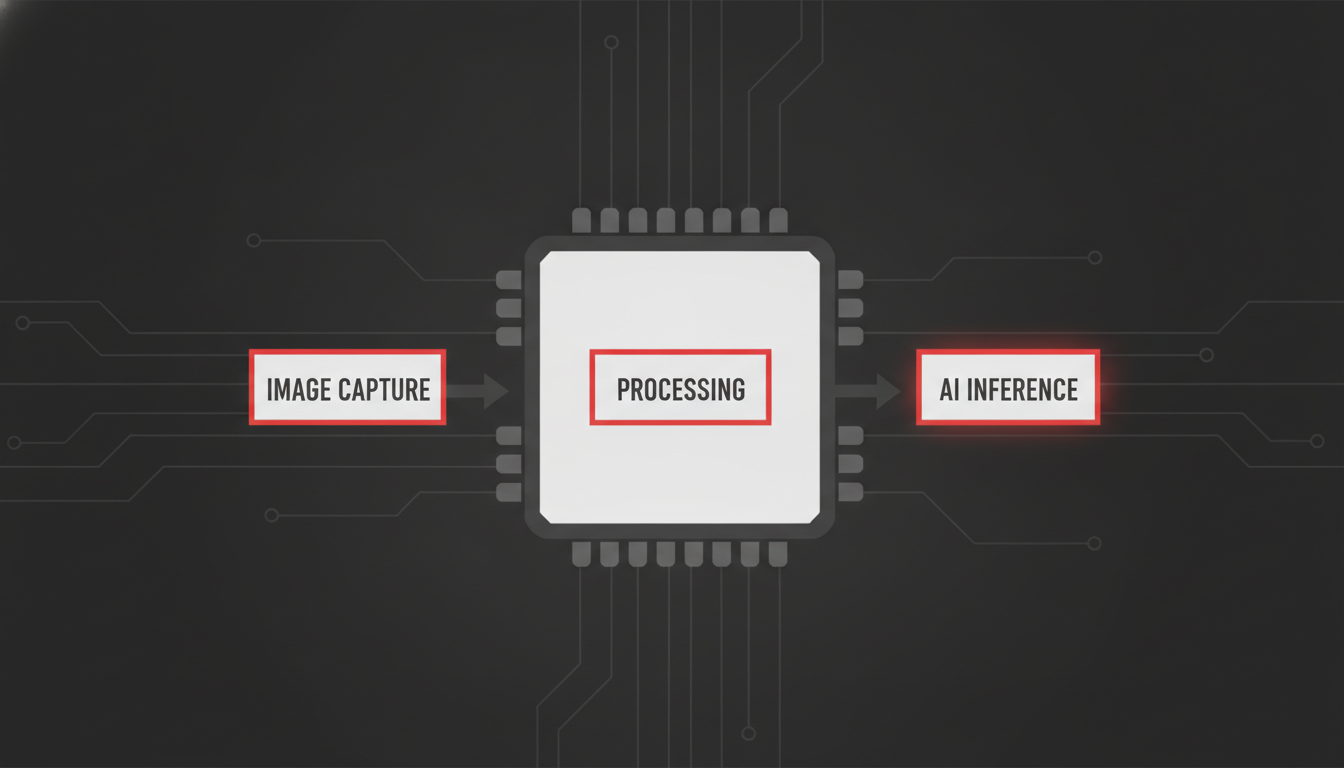
Bharat Semi says its chips put image capture, signal processing and AI inference on one die, instead of the separate sensor, image signal processor and system on chip combination most cameras use today. The company says this design could cut system costs by at least 70 percent compared to a conventional setup.
The company plans to stay fabless, outsourcing manufacturing rather than building its own fabrication plant, and is targeting its first commercial production in 2027. Co-founder Vrinda Kapoor described the company’s goal as moving “from sensors to sense-making solutions,” pointing to examples such as an air conditioner that detects an empty room or a drone that processes visual data without expensive onboard computing.
Who is funding the round
The seed round was led by Info Edge Group, South Park Commons and Indus Bridge Ventures, with Valour Capital, Micromax, Gaingels and individual investors also participating, according to TechCrunch. The company did not disclose a valuation.
Bharat Semi was co-founded in late 2021 by Vrinda Kapoor, a South Park Commons fellow who previously worked in healthcare technology, and Vinayak Dalmia, the company’s managing director, who previously worked at McKinsey and in private equity. Its chief technology officer, Boyd Fowler, previously held the same role at image sensor maker OmniVision.
Early customers and traction
Bharat Semi has design wins with U.S. defense technology company General Atomics and India’s Kaynes Semicon, TechCrunch reported. Its first generation sensors are in prototyping, and the company expects second generation sensors with more advanced AI capability to reach the prototype stage by mid 2027.
The company says it is targeting markets including smart homes, industrial automation, surveillance and aerospace, all areas where moving AI processing onto the sensor itself could reduce the cost and power draw of a full camera system.
What the new funding supports
Bharat Semi plans to use the seed capital to expand its engineering team, complete product development and bring its sensors to market, according to the report. The company employs about 75 people across India and the United States, with 10 to 12 staff currently in Santa Clara, and plans to grow its U.S. headcount to around 20 by mid 2027 while also beginning to hire in Europe.
A separate semiconductor fabrication project announced in 2024, which involves a technology partnership with the U.S. Space Force, remains in development and will not be funded by this seed round, TechCrunch reported.
Where this fits in India’s chip funding boom
Bharat Semi’s round lands amid a broader pickup in venture funding for Indian chip design startups. Indian semiconductor startups raised about $206 million across 51 funding rounds between 2022 and the first half of 2026, according to a report by venture firm Speciale Invest and the Startup Policy Forum, cited by CXOToday. Other fabless chip design startups in the country, such as Vervesemi and C2i Semiconductors, have each raised Series A rounds in the $10 million to $15 million range over the past year.
Frequently asked questions
What makes an “AI enabled” image sensor different from a regular camera sensor?
A regular camera system typically pairs a sensor with a separate processor and AI chip to make sense of what the camera sees. Bharat Semi’s design puts image capture and AI processing on the same chip, which the company says lowers cost and power use for the device it sits inside.
Is Bharat Semi building its own chip factory in India?
No, not with this funding. The company plans to remain fabless, meaning it designs chips but outsources manufacturing. A separate fabrication project tied to a U.S. Space Force partnership, announced in 2024, is a distinct effort that this seed round does not fund.
Leave a Reply