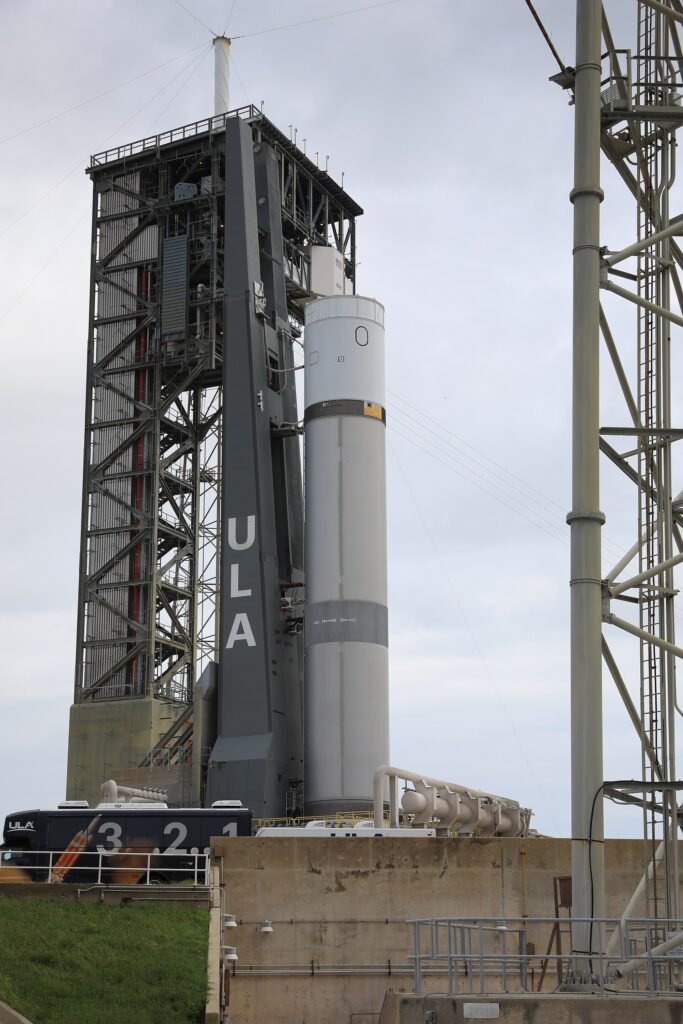
A United Launch Alliance Vulcan rocket suffered an in-flight anomaly about 10 minutes after liftoff on November 15, 2026, and failed to deliver 40 Amazon Leo internet satellites to orbit. ULA confirmed the failure in a statement issued roughly 50 minutes after launch, calling it the company’s first total mission failure since it was formed in 2006.
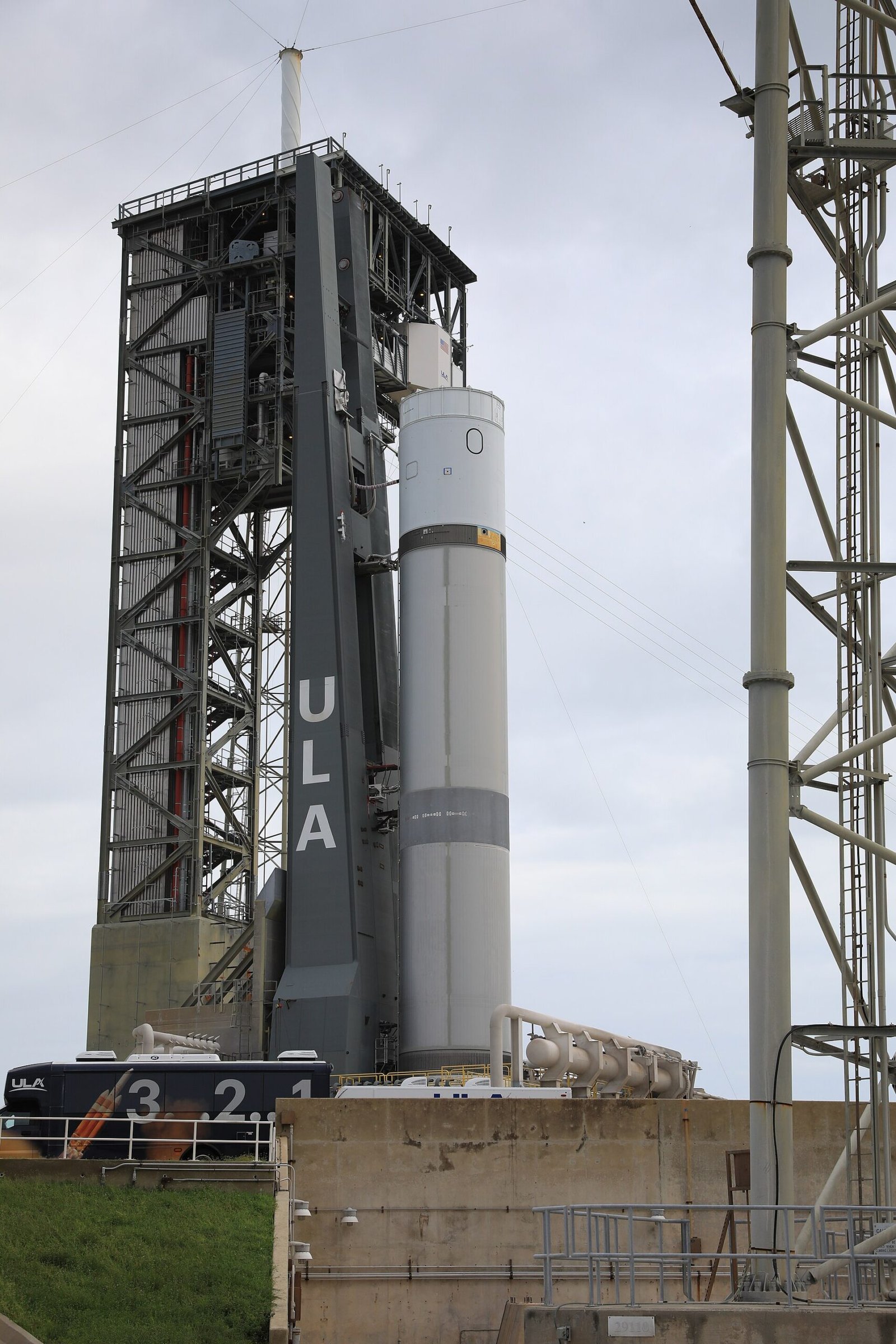
What ULA said happened
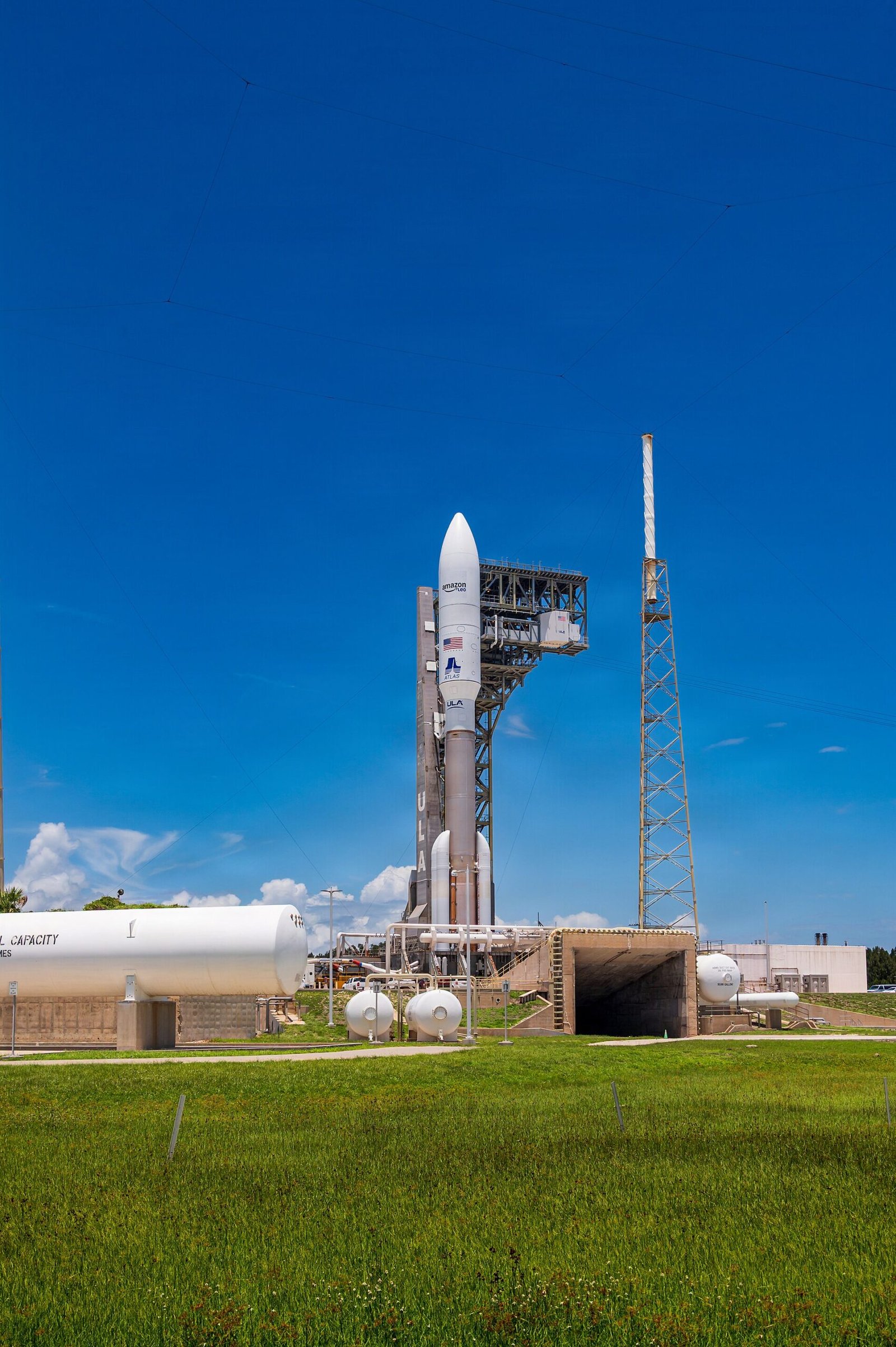
The 214-foot Vulcan lifted off at 12:40 p.m. EST from Space Launch Complex 41 at Cape Canaveral, carrying 40 satellites for Amazon’s Leo broadband constellation. The rocket’s six Northrop Grumman solid boosters and two methane-fueled BE-4 engines generated about 3.8 million pounds of thrust at liftoff, according to Spaceflight Now‘s launch-day reporting.
The solid boosters separated roughly 100 seconds into flight, and the first stage burned longer than planned before handing off to the Centaur upper stage later than expected. Telemetry showed the Centaur making unusual orientation adjustments early in a burn meant to last 12 minutes and 15 seconds. ULA said the anomaly struck about 10 minutes into that burn, before the stage could place its payload in orbit.
ULA said in its statement that the rocket “suffered an anomaly 10 minutes into the flight” and failed to deliver the Amazon mission to orbit. The company added that it would work with its customer and other organizations to determine the cause and return Vulcan to flight as soon as possible, but has not yet named a likely cause.
Why this is a first for ULA
Sunday’s launch was Vulcan’s fifth flight overall and its first in nine months. The rocket had been grounded since February 2026, when a solid rocket booster nozzle burned through during the USSF-87 mission for the U.S. Space Force, an incident that also occurred during an earlier 2024 flight. The repeated nozzle problems led the Space Force to pause Vulcan’s national security launches while engineers investigated, though ULA remained free to fly commercial missions such as Sunday’s.
ULA CEO Mark Peller told Aviation Week ahead of the launch that the company had identified three likely causes of the nozzle issue and taken steps to address all of them, and that Blue Origin, which supplies Vulcan’s BE-4 engines, had made a design improvement and retrofitted the engines used on this mission. Sunday’s failure was unrelated to the booster nozzle, since the anomaly struck during the Centaur upper stage’s burn, well after the solid boosters had already separated.
Before Sunday, ULA, a 2006 partnership between Boeing and Lockheed Martin, had never lost a mission outright across either its Vulcan or long-running Atlas and Delta rocket families.
What it means for Amazon’s satellite internet rollout
Amazon has purchased 38 Vulcan launches from ULA as part of a broader deployment plan for its Leo broadband constellation, formerly known as Project Kuiper. Sunday’s mission was the first of those 38 to fly, and would have brought Amazon’s total satellites launched to 436 had it succeeded. The company needs more than 3,300 satellites in orbit to complete the constellation.
| Launch provider | Vulcan | Blue Origin New Glenn | Ariane 6 | Falcon 9 |
|---|---|---|---|---|
| Amazon Leo launches booked | 38 | 24 | 24 | 13 |
| Current status | Grounded pending investigation | Grounded since a May pad explosion | Flying | Flying |
With Vulcan now grounded again pending ULA’s investigation, and New Glenn separately grounded since a May 2026 on-pad explosion tied to a BE-4 oxygen valve problem, Amazon’s deployment schedule leans more heavily on Ariane 6 and Falcon 9 in the near term. Before Sunday, Amazon had already flown eight Leo missions on ULA’s Atlas V, the rocket Vulcan is meant to eventually replace.
What happens next
ULA has not set a timeline for Vulcan’s return to flight, saying only that the investigation will determine the cause before any corrective action is implemented. NASA Administrator Jared Isaacman posted on X thanking ULA for keeping the public informed and offering the agency’s help with the investigation and remediation, though NASA was not a stakeholder in Sunday’s commercial Amazon mission.
The length of the grounding will depend on what investigators find in the Centaur’s telemetry. ULA’s statement gave no indication of whether the cause lies with the upper stage’s engine, its guidance system, or elsewhere.
Frequently asked questions
Were the satellites recovered?
No. ULA and multiple outlets covering the launch reported that all 40 Amazon Leo satellites aboard were lost with the rocket.
Has ULA said what caused the failure?
Not yet. ULA said only that an anomaly occurred roughly 10 minutes into flight and that it does not yet have enough data to determine the cause.
Will this delay Amazon’s satellite internet service?
It is likely to slow the pace of launches on Vulcan specifically, but Amazon has also booked capacity on Blue Origin’s New Glenn, Ariane 6 and SpaceX’s Falcon 9, spreading its deployment across multiple providers.
Leave a Reply