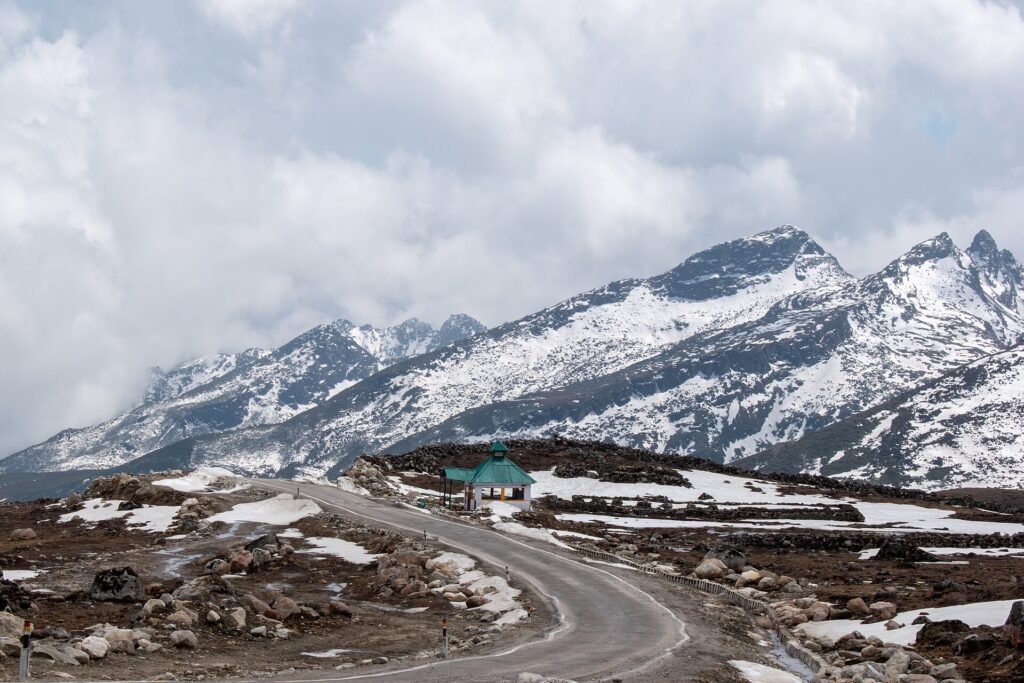
Indo-Tibetan Border Police chief Shatrujeet Singh Kapur said Indian and Chinese troops have had face-offs at several locations in Arunachal Pradesh in the past few days, and that the situation is still ongoing. The Ministry of External Affairs said on Friday that the border situation “gets disturbed from time to time.”
What the ITBP chief said
Scroll.in reported, citing The Hindu, that ITBP Director General Shatrujeet Singh Kapur told reporters at an event in Alwar, Rajasthan, on Thursday that “face-off happened at several locations in Arunachal and it still continues.” The ITBP guards the 3,488-kilometre Line of Actual Control with China, stretching from the Karakoram Pass in Ladakh to Jachep La in Arunachal Pradesh.
Kapur also said, per PTI’s reporting of the same event, that the force is preparing for modern warfare, including drones, specialised commandos and new underground shelters along the border.
What led here
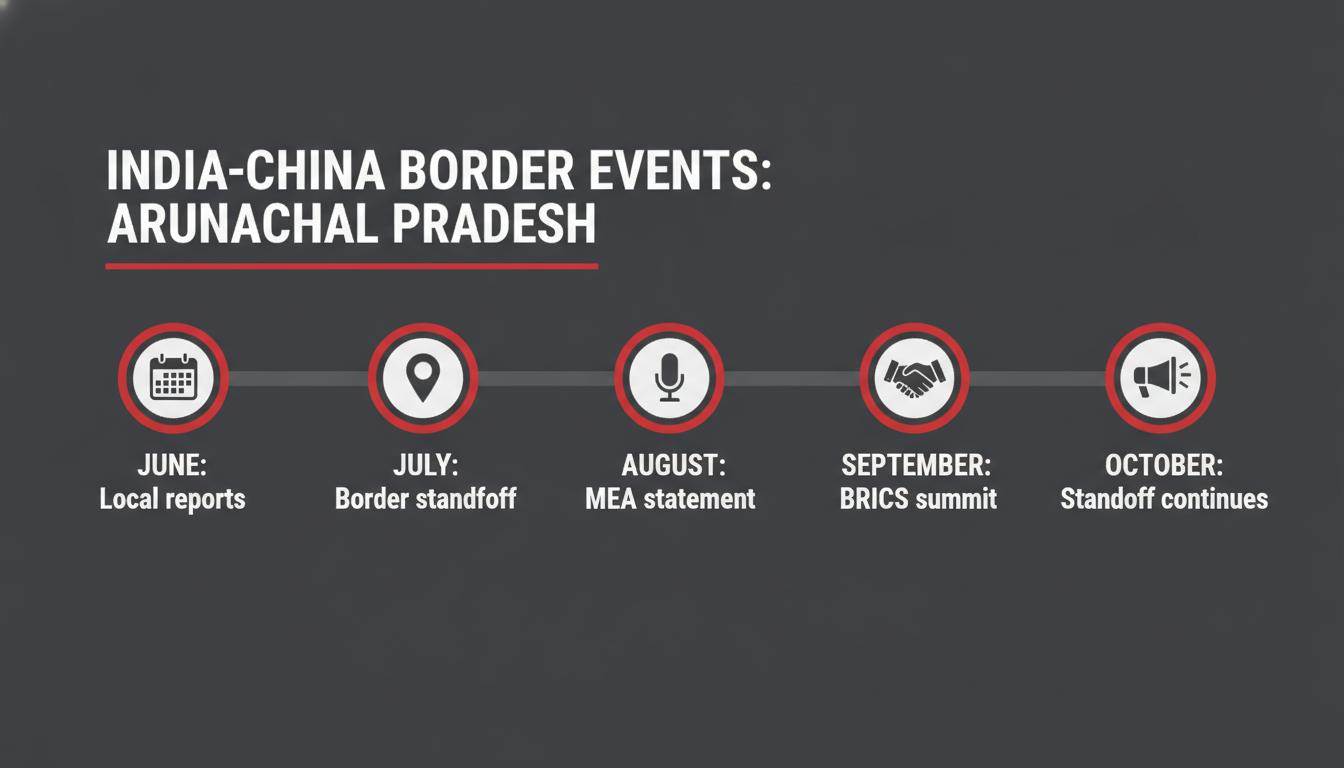
Reports of a standoff near Taksing, in Arunachal’s Upper Subansiri district, first emerged in July. An unidentified official told The Hindu that Indian and Chinese troops met face to face during routine patrolling near Maja that month, and that both sides withdrew after a brief confrontation. Chinese forces later returned in greater numbers and pitched tents roughly 6 to 7 kilometres inside what India considers its side of the LAC, according to that report.
In June, the Arunachal Times reported that the Nah Welfare Society, a local body, alleged Chinese soldiers were occupying areas near the LAC, building roads and camps, and taking over grazing grounds used by local communities. The Indian military and government had not publicly commented on these reports at the time they first surfaced.
China claims much of Arunachal Pradesh as its own territory, referring to it as “South Tibet” and using the name Zangnan for the state. India rejects these claims, as well as China’s repeated efforts to rename towns and geographical features inside Arunachal Pradesh, and maintains that the state has always been an integral part of the country.
The friction has coincided with a broader thaw in India-China relations since 2024, following the prolonged military standoff in Ladakh that began in 2020. Chinese President Xi Jinping visited India for the BRICS summit from September 11 to 13, and the two countries have since held three rounds of high-level border talks, according to The Hindu’s reporting carried by Scroll.in.
What the government has said
At its weekly briefing on Friday, Ministry of External Affairs spokesperson Randhir Jaiswal said the border situation “gets disturbed from time to time” when Chinese forces depart from established patrolling patterns. He said both countries are using existing diplomatic and military mechanisms to resolve outstanding issues and avoid misunderstandings along the LAC, and that the two sides have agreed to discuss ways to improve mutual understanding of the LAC in specific areas.
In August, the ministry had called peace and tranquillity along the LAC “of utmost importance,” and said the state of border affairs would affect the broader bilateral relationship with China.
Political reaction
The Congress party accused the BJP-led government of suppressing reports of skirmishes along the Arunachal border since July. The party also criticised Prime Minister Narendra Modi over his public conduct toward Xi Jinping at the September BRICS summit, saying in a social media post that he had “abandoned our soldiers every time,” according to Scroll.in’s report.
Neither the Ministry of Defence nor the Prime Minister’s Office has issued a separate statement responding to the Congress party’s allegation.
Frequently asked questions
Is this the same as the 2020 Ladakh standoff?
No. The 2020 standoff was centred in eastern Ladakh and led to a years-long military buildup on both sides before disengagement at friction points including Demchok and Depsang. The current face-offs are located in Arunachal Pradesh, a separate stretch of the Line of Actual Control, and have been described by officials as smaller, recurring incidents rather than a prolonged standoff.
Has India and China’s relationship improved recently?
Yes, relations have gradually thawed since 2024, culminating in Xi Jinping’s visit to India for the BRICS summit in September 2026. The two sides have held three rounds of high-level border talks since July, even as the Arunachal face-offs continued.
What to watch next
Whether India and China announce a fourth round of high-level border talks, and whether either government gives a fuller public account of the current face-offs’ exact locations and troop numbers, are the next signals to watch. Parliament’s winter session could also bring further questions on the issue, given the Congress party’s criticism this week.
Kapur’s comments mark one of the first on-record acknowledgements by a serving border-force chief that the Arunachal face-offs are still active, rather than resolved after the July withdrawal that was reported at the time. That distinction, between an isolated patrol encounter and an unresolved, continuing situation, is likely to shape how closely both Parliament and the public track the next round of talks.


Leave a Reply